How Exclusive Galápagos Access Transforms the Way You Explore the Enchanted Islands
The Galápagos Islands have long held a reputation as one of the most pristine and biologically significant places on earth. As a UNESCO World Heritage site, this remote archipelago demands a certain level of respect and careful management. Yet for the traveler who truly wants to connect with the wildlife and landscapes, there is a growing recognition that the standard group tour, with its fixed schedules and crowded visitor sites, can sometimes feel more like a parade than a genuine exploration. This is where the concept of exclusive Galápagos access begins to matter. It is not about luxury for its own sake. It is about creating the conditions for a deeper, quieter, and more meaningful encounter with one of the last great wild places.
The Galápagos National Park strictly regulates every vessel and every landing. Permits are limited, and itineraries are designed to spread visitors across the islands to reduce impact. But within that system, there are different levels of flexibility. A smaller vessel, one that carries only a handful of passengers, can approach landing sites at less congested times, linger longer at a particularly active sea lion colony, or adjust the day’s plan when a pod of dolphins is spotted. That is the practical reality of exclusive Galápagos access. It is not about breaking rules. It is about working intelligently within them, using a nimble platform to maximize time in the places that matter most.
Why Scale Matters
The difference between a 100-passenger ship and a 16-passenger yacht like the Natural Paradise yacht is not just a matter of comfort. It is a fundamental shift in how you experience the islands. A smaller vessel can anchor in coves that larger ships cannot reach. It can launch kayaking excursions from the stern without a lengthy tender ride. When the guides decide that the current conditions are perfect for snorkeling gear to be used at a particular reef, the whole group can be in the water within minutes. That immediacy changes everything. You are not watching the islands from a deck. You are stepping into them.
On a small yacht, the rhythm of the day is dictated by the wildlife and the weather, not by a hotel schedule. The expert naturalist guides, who often have years of experience working in the park, can read the signs. They know where the Galápagos penguins have been feeding, where the marine iguanas are gathering for the breeding season, and which trail on Bartolomé Island will offer the best light for photography at sunrise. Because the group is small, the guide can answer individual questions, point out the subtle differences between the Galápagos flycatcher and its mainland cousin, and help you notice the small details that make this ecosystem so extraordinary.

Getting Closer to the Wildlife
One of the most profound experiences in the Galápagos is the lack of fear the animals show. The blue-footed boobies will nest just a few feet from the trail. The sea lions will swim right up to your mask. But that trust is fragile. When a large group arrives, the noise and movement can spook the animals. With a smaller, quieter group, you can sit and observe for longer periods. You can watch a giant tortoise slowly cross a meadow on San Cristóbal Island without the pressure of a schedule. You can float among the Galápagos penguins on Isabela Island and feel like you are sharing their world, not intruding upon it.
For those who are drawn to the volcanic origins of the archipelago, exclusive Galápagos access opens up possibilities that are simply not available on standard itineraries. The Sierra Negra volcano on Isabela Island, for example, is a massive caldera that offers a strenuous but rewarding hike. Only certain vessels can obtain permits for the landing times that allow a full day there. With the right planning, you can stand at the rim of that volcano, looking out over a landscape that feels like another planet, knowing that you are one of only a handful of visitors that day.
Underwater and Above
The real magic of the Galápagos often lies beneath the surface. The archipelago is a world-class destination for SCUBA diving, but even for snorkelers, the variety is stunning. The waters around Rabida Island, with its striking red sand beaches and strong currents, are home to large schools of fish and the occasional shark. A small yacht can position itself to take advantage of the best conditions, dropping you into a drift snorkel that carries you along a wall of coral and volcanic rock. The guides know the sites intimately. They know where the current will be gentle and where the marine life is most active.
For those who prefer to stay on the surface, kayaking offers a silent way to explore the coastlines. Paddling along the cliffs of Bartolomé Island, you can peer into sea caves and get a perspective that the landing trails never show. The kayaks are stored on deck, ready to go. There is no complicated launch procedure. You just get in and go.

A More Personal Education
The role of the expert naturalist guides cannot be overstated. These are not just tour leaders who have memorized a script. Many have spent years studying the ecology of the islands. They know the history of the Charles Darwin Research Station, where scientists continue to work on conservation programs for the giant tortoises and other endemic species. They can explain the subtle differences between the subspecies of mockingbirds on different islands, or how the marine iguanas have evolved to excrete excess salt. When you are in a small group, that knowledge becomes personal. You can ask the questions that matter to you, and the guide can tailor the experience to your interests.
Planning Your Trip
If you are considering a trip to the Galápagos, it is worth thinking carefully about what you want to get out of it. The standard cruises are fine for seeing the highlights. But if you want to feel the islands rather than just see them, if you want to wake up to the sound of sea lions barking and fall asleep to a sky full of stars without the hum of a large generator, then the investment in a smaller, more flexible vessel is something to take seriously. Look for itineraries that offer a mix of activities: hiking, snorkeling, kayaking, and perhaps SCUBA diving. Check how many passengers are on board. Ask about the ratio of guides to guests.
The phrase exclusive Galápagos access is not just marketing language. It describes a real difference in how you move through the park. It means landing at Punta Suarez on Española when the other ships have already left, so you have the trail almost to yourself. It means having the flexibility to spend an extra hour with the blue-footed boobies because the light is perfect. It means that when you visit the Charles Darwin Research Station, you have time to ask the naturalist questions that go beyond the plaque on the wall.
The Real Cost of Crowds
There is no getting around the fact that the Galápagos Islands are becoming more popular. The park limits the number of visitors, but the demand continues to grow. The experience of standing at a popular viewpoint with dozens of other people is a stark contrast to the sense of solitude that makes these islands so special. Choosing a vessel that prioritizes small groups and exclusive Galápagos access is a way to preserve that solitude. It is a choice that benefits both the traveler and the fragile environment.
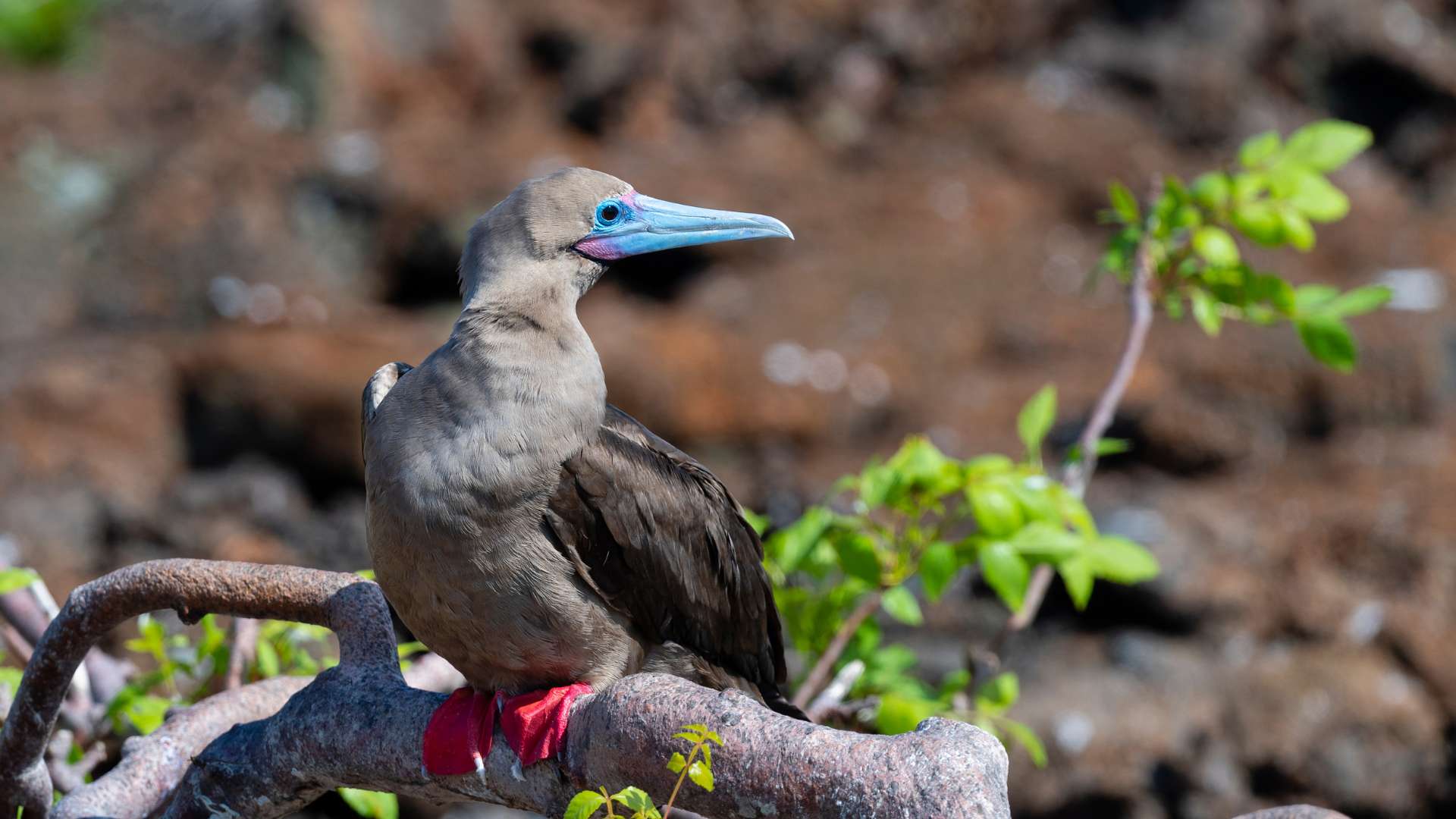
Ultimately, the Galápagos are not a theme park. They are a living laboratory, a place where evolution is still happening in front of your eyes. The best way to appreciate that is to slow down, look closely, and give yourself the time and space to absorb it. That is what a well-planned, small-scale cruise delivers. It is not about ticking boxes. It is about being present.